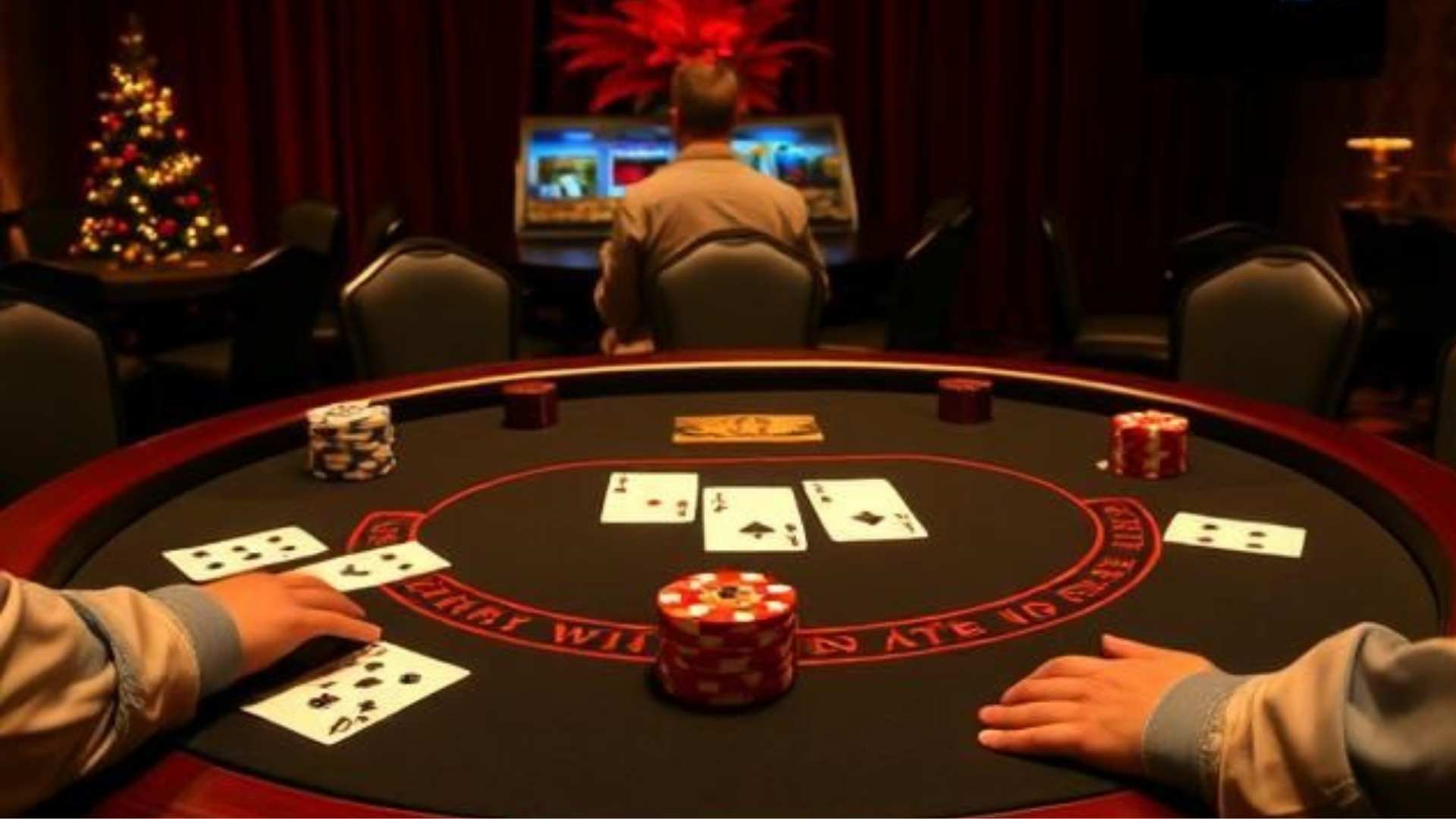
Maintaining a sharp mind during extended poker sessions is one of the greatest challenges faced by modern card players. While understanding the mathematical odds of the game is essential, the ability to execute logical choices under immense pressure ultimately dictates long-term profitability. Players who actively invest in their cognitive stamina and emotional regulation tend to secure far more consistent results over time.
Recognizing Mental Fatigue and Decision Fatigue
As a poker session wears on, the sheer volume of choices a player must make gradually depletes their available mental energy. This subtle exhaustion often leads to compounding errors, such as calling loose bets or missing crucial opponent tells. Recognizing the early warning signs of cognitive decline allows you to step away before severe losses occur.
To combat this natural drop in focus, seasoned professionals implement structured breaks to refresh their analytical perspective. Incorporating regular breathing exercises or short walks away from the table can rapidly restore your situational awareness. When your mind is fully rested, identifying profitable bluffs and executing tight folds becomes a much more fluid process.
The Role of Emotional Discipline at the Table
Emotional volatility, commonly referred to as tilt, is arguably the most destructive element to sound decision-making during live or online gameplay. A single bad beat can trigger frustration, causing a player to abandon their established strategy in pursuit of quick recovery. Developing emotional resilience ensures that short-term statistical variance does not dictate your tactical execution.
A disciplined player views every individual hand as an independent statistical event rather than a personal victory or defeat. To help maintain focus and practice strategic flexibility in a stable environment, finding a secure platform through an m88 asia login can provide excellent practice opportunities. Cultivating this professional detachment protects your bankroll from impulsive, emotionally driven wagers.
Utilizing Positional Information Effectively
Better decision-making is heavily reliant on the quality and quantity of information you gather before acting. Operating from late position grants you the luxury of observing how your adversaries react to their cards first. This tactical advantage simplifies your choices, allowing you to control the size of the pot with minimal risk.
Conversely, playing from early position demands a highly selective approach because you are acting with incomplete table data. Tightening your starting hand requirements in these vulnerable seats naturally mitigates complex post-flop scenarios. Mastering the relationship between table position and risk distribution is a hallmark of an advanced card player.
Implementing Robust Bankroll Safeguards
Even the most sophisticated playing strategy will fail without a rigid financial framework protecting your capital. Operating with an inadequate bankroll introduces underlying anxiety that can severely compromise your logical choices. When you are terrified of losing your chips, you are highly likely to play too passively.
Establishing a dedicated fund consisting of at least thirty buy-ins for your preferred stakes removes the fear of natural variance. This financial buffer allows you to make mathematically correct decisions based entirely on strategic value. Protecting your playing capital ultimately frees your mind to focus on pure tactical execution.