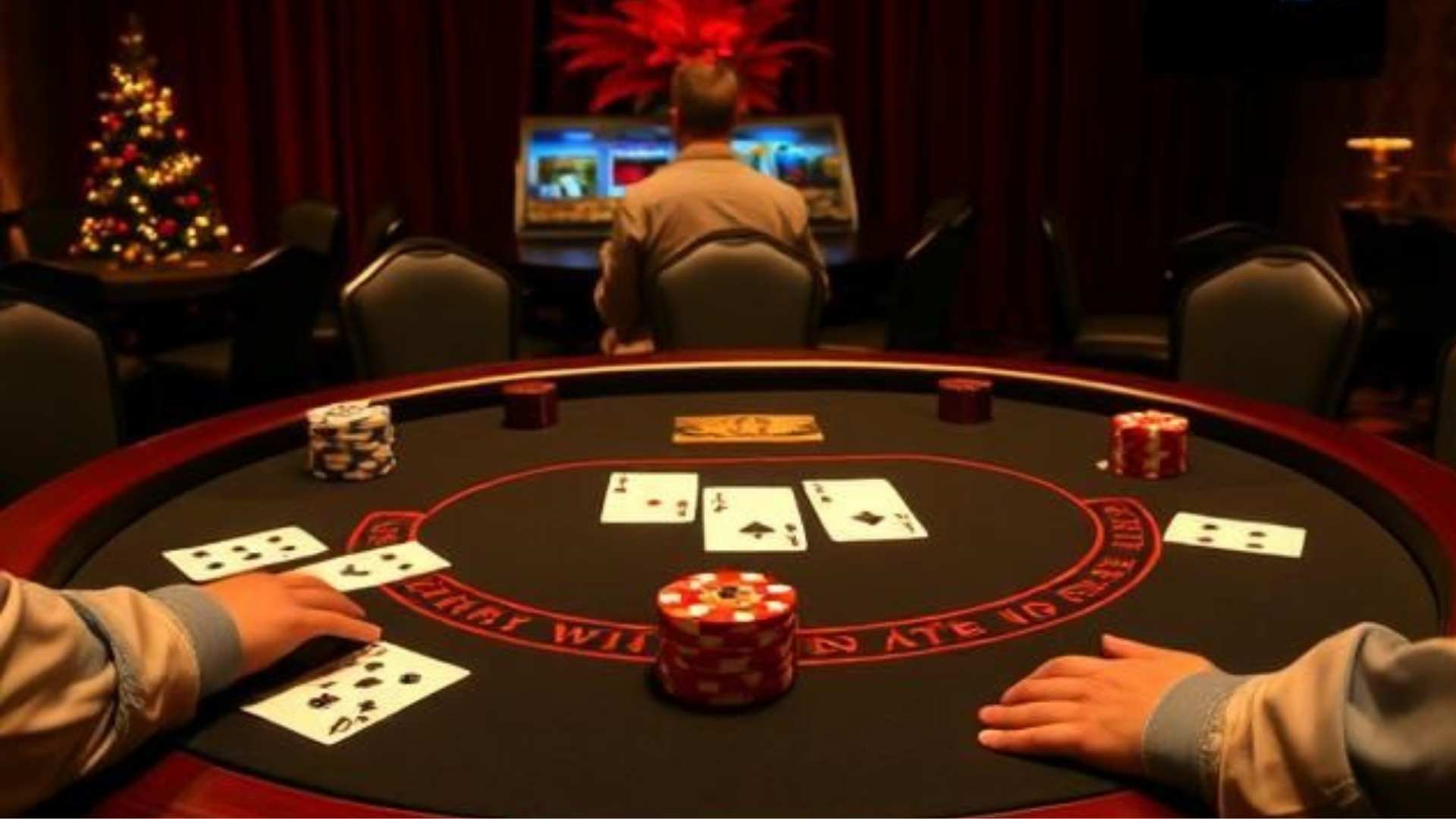
The history of casino table games is deeply intertwined with the social hierarchies of early European society. Long before digital platforms standardized rules and layouts, the reputation of specific card games depended heavily on the economic status of the people who played them. Examining these historical dynamics reveals how wealth and privilege transformed simple pastimes into elite cultural rituals.
The Aristocratic Roots of High Stakes Play
During the eighteenth and nineteenth centuries, private gaming salons across France and Great Britain served as exclusive enclaves for the nobility. Games like baccarat and early variations of whist were deliberately structured to appeal to high-net-worth individuals who viewed wagering as a regular status symbol. These private spaces maintained strict behavioral codes, ensuring that card play remained a sophisticated social ritual rather than a casual activity.
The physical setup of these rooms was meticulously planned to reinforce a sense of elite exclusivity and separate noblemen from the working class. Because the financial stakes were remarkably high, participation required immense capital that only the ruling class possessed. Consequently, the early public perception of card games was closely linked to prestige, intellectual strategy, and continental refinement.
How Tavern Culture Shaped the Lower Class Perspective
In stark contrast to elite private salons, the working class gathered in local taverns and public houses to play entirely different card games. These informal spaces lacked the strict protocols and quiet concentration found in aristocratic venues, favoring rapid gameplay and boisterous social interaction. Dice games and basic card matches were popular because they required minimal entry funds and provided immediate entertainment for laborers.
Wealthy commentators and early regulatory bodies often criticized these popular tavern games, labeling them as dangerous distractions for the working public. This sharp division in social venues created a dual identity for table entertainment, where the same deck of cards could symbolize refined honor or moral decay. Over time, these contrasting cultural perceptions heavily influenced how early governments established gambling laws and restricted public play.
The Transition Into Standardized Commercial Spaces
The birth of modern commercial casinos in places like Monte Carlo began to bridge the gap between these divided social classes. Professional operators recognized the immense profitability of opening elegant table games to a broader, newly wealthy industrial middle class. While the luxurious decor still mimicked aristocratic salons, the underlying structural mechanics became more efficient and accessible to the public.
Today, this historical evolution has culminated in the digital era, where players from all walks of life can access traditional formats instantly. Enthusiasts seeking a modern platform that respects these historic gaming customs can utilize an m88 login terbaru to explore a diverse range of tables. This technological transformation successfully preserves the mathematical tension of classic card games while removing the strict social barriers of the past.
The Lasting Cultural Impact on Modern Table Gaming
Uncovering the relationship between social status and early gaming culture provides essential perspective on modern casino floor designs. Even today, contemporary venues utilize specialized VIP areas and high-limit rooms to replicate the exclusive atmosphere of nineteenth-century French salons. The enduring allure of certain card variations lies in their ability to evoke a sense of historic luxury and tactical sophistication.
Ultimately, the complex history of card games shows that rules and mechanics are never developed in complete isolation from society. By understanding how historical class dynamics shaped the original reputation of these pastimes, modern players can better appreciate the structural depth of every round. The transition from private noble estates to global digital networks highlights the remarkable adaptability of tabletop entertainment.